
Recovery accounts for half of the final result in ultra-endurance, well before the choice of a bib number or the speed on D-Day. Injuries caused by lack of rest, sleepless nights that break the mind, and digestive issues form a formidable trio, responsible for many dropouts, even among veterans.
Each discipline imposes its own laws, both physically and logistically. Generalizing quickly becomes illusory, as the management of preparation, nutrition, or effort depends on the terrain, the weather, and the format. Constant adaptation remains the only certainty.
Ultra-endurance, an extraordinary challenge: understanding the specifics of ultra trail and ultra-cycling
Ultra-endurance is not just about pushing distance. It engages over time, in an effort that leaves nothing to chance. The ultra trail, heir to classic trail running, pushes the experience further: each runner must contend with the whims of the terrain, unpredictable weather, and the accumulation of fatigue. Elevation changes impose their rhythm, sweeping away any linear strategy.
In contrast, ultra-cycling requires a different type of management. On roads or trails, one must gauge their effort, monitor nutritional intake, and plan recovery, all while being ready to fix any breakdown. Mechanical autonomy becomes as crucial as leg power.
Choosing your first ultra event involves identifying your own desires, availability, and abilities. In France, opportunities abound: from 100 kilometers of nature to multi-day cycling raids, everyone can find their terrain. To refine your choice, it’s best to explore the resources of ultra-sport.org: formats, specifics, preparation tips, everything is there to sharpen your strategy.
Here are the major parameters to study before committing:
- Distance: from nature marathons to raids exceeding 500 kilometers.
- Terrain: mountain trails, forest paths, roads, gravel courses.
- Autonomy: management of supplies, equipment to carry, possibility of assistance.
Facing ultra-endurance is never decided solely by mental strength. The real challenge reveals itself over the long term: one discovers their limits, but also a form of clarity regarding effort and perseverance.
What are the main physical and mental challenges to anticipate before embarking?
Ultra-endurance tests the body like few disciplines do. The engaged muscles draw from glycogen reserves, accumulate waste, and require regular intake. Nutrition management becomes essential: every intake, every portion of carbohydrates or amino acids counts in delaying failure. Hydration balance, often fragile during an endurance event, influences clarity, recovery, down to the slightest stride or pedal stroke.
On the mental side, it’s a real challenge. It’s impossible to endure over time without solid psychological preparation. Long training sessions, shortened nights, and dull pains gradually forge this inner resilience. Confronting one’s own doubts, facing moments of solitude or low points: this is the daily life of ultra-endurance.
To anticipate these challenges, it is wise to focus on a few concrete areas:
- Learn to listen to your body: recognize signs of exhaustion.
- Adapt training to the duration of the targeted event.
- Plan breaks and organize sleep, especially for very long formats.
A progressive, coherent preparation tailored to the season remains the best ally before venturing into long distances. Success comes from a patient construction, both physical and mental, where every detail matters.
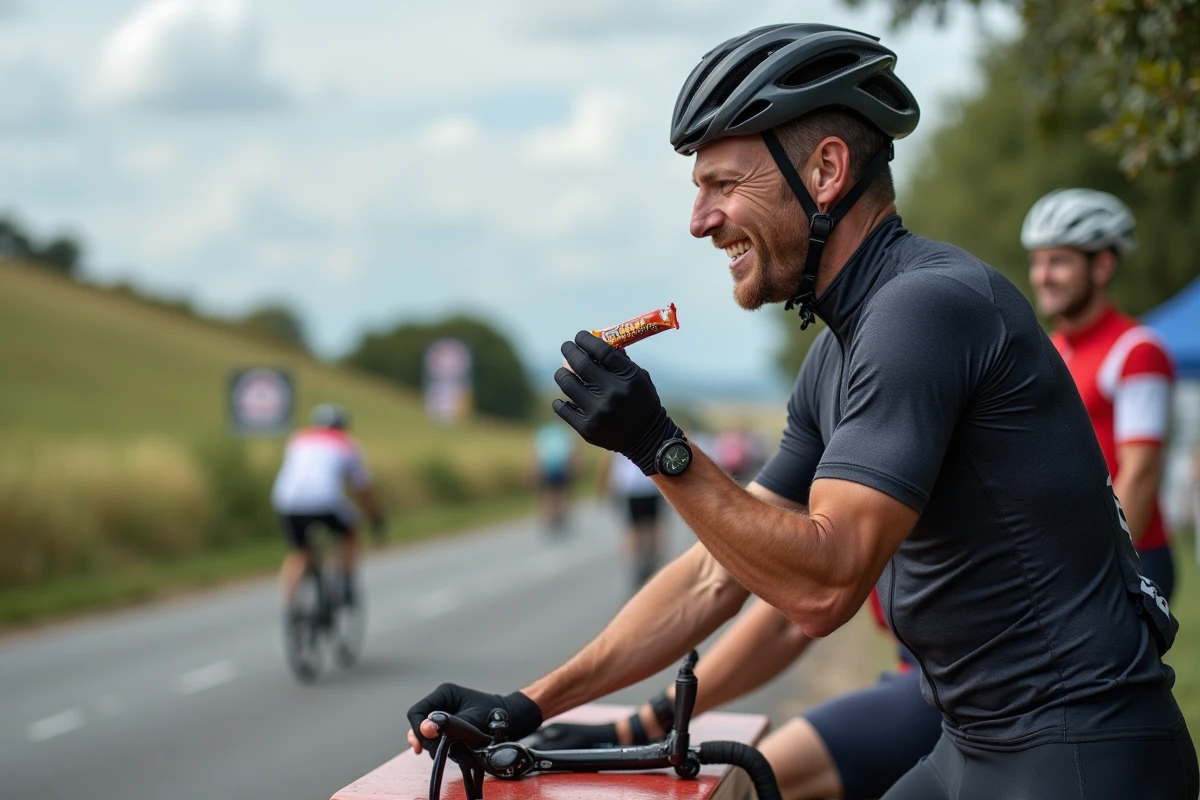
Optimal preparation: practical tips for training, equipping, and progressing smoothly
In ultra-endurance, preparation allows for little approximation. Each discipline requires precise organization: ultra trail on rugged trails, ultra cycling on roads or gravel, each terrain has its demands. It is important to structure training in cycles, alternating long endurance outings with more targeted sessions. The goal: to acclimate the body to prolonged effort, delay fatigue, and limit injuries.
The choice of equipment shapes the experience. For ultra-cycling, an appropriate handlebar bag, a comfortable saddle, and good lighting are never superfluous. For ultra trail, invest in sturdy shoes and a well-thought-out hydration pack. Maximizing comfort helps prevent those small injuries that, over time, become real handicaps.
To progress, it is relevant to integrate the following points into your routine:
- Explore different terrains: road, trails, gravel, and test all equipment in real conditions.
- Develop your technical skills: know bike mechanics, manage blisters, master nutrition during effort.
- Structure recovery: quality sleep, massages, nutrition enriched with amino acids to support muscle rebuilding.
Progress is built on consistency. Setting intermediate milestones, analyzing each outing, adjusting your plan throughout the year builds an adventure where every step counts. In ultra-endurance, those who know how to listen to their bodies and learn from each experience write their own story, season after season.