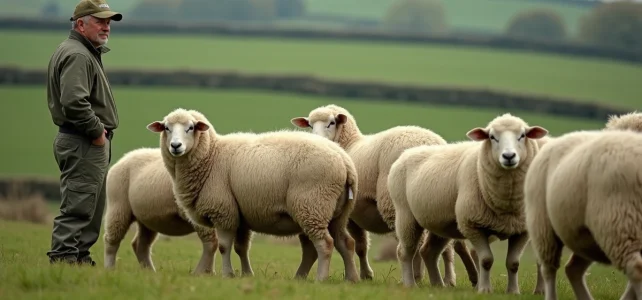
The almost total absence of shearing in certain modern sheep farms contradicts ancestral practices. This uniqueness originates from the genetic heritage of the Exlana, a breed developed to break free from the annual shearing cycle.
This sheep population stands out in extensive systems, where reducing human interventions and respecting the environment weigh heavily in the choice of breeders. Technical data confirms unexpected performances, both in terms of adaptability and health management.
Why is the Exlana sheep generating increasing interest among breeders?
Originating from Great Britain, the Exlana breed intrigues with its recent trajectory and its ability to adapt to varied contexts. What captures attention? Its robustness, first and foremost, but also the ease of management it offers. Where traditional selection imposed annual shearing, the Exlana changes the game: it sheds its wool naturally, avoiding many logistical and health complications. This heritage, passed down from ancient sheep like the Soay or Ouessant, perfectly aligns with farms seeking more independence.
Another strong point is its disease resistance. Many rustic breeds exhibit this quality, but in the Exlana, it translates concretely into flocks that are less dependent on veterinary treatments. The result: fewer interventions, more time to observe the animals, and better overall herd management. This sheep easily withstands varied environments, whether wet pastures or poorer lands, without losing efficiency. In the face of increasingly marked climatic uncertainties, this adaptability becomes a real asset.
For those wishing to explore the characteristics and advantages of the Exlana sheep, field experience speaks for itself. Breeders prioritize food autonomy, seek to increase the longevity of their animals, and appreciate the simplified management of the flock. Through their testimonies, a conviction emerges: the Exlana offers a concrete solution to the current challenges of farming, balancing cost-effectiveness and the enhancement of sheep genetic heritage.
Unique characteristics: hardiness, innovative wool, and facilitated management
The strength of the Exlana sheep is first expressed through its hardiness. Derived notably from Soay and Ouessant populations, this rustic sheep displays an uncommon resistance to diseases. For breeders, this means less reliance on treatments, more peace of mind, and effortless adaptation to diverse environments, whether wet meadows or leaner lands.
But what stands out the most is the spontaneous shedding of wool. In spring, the fleece detaches by itself. No need to plan for shearing, organize stressful handling for the animal, or schedule associated logistics. This feature, shared by the Exlana with a few ancient breeds like the Ouessant or Cameroon, transforms the way a flock is managed. The breeder can then focus on the feeding and health of the flock, enhancing the farm’s autonomy.
The wool of the Exlana also offers varied uses. Each sheep breed has its own fleece, but here, the fiber, if not intended for spinning, proves valuable for mulching or ecological management of spaces. Using rustic flocks for maintaining green areas helps limit excessive vegetation growth, sustainably manage the land, and make use of local resources.
In daily life, the lightness and longevity of the Exlana simplify the breeder’s life. Fewer animals to handle, more respect for the natural rhythm of the flock, and seamless adaptation to the seasons: this is the portrait of a breed in tune with the expectations of modern farming, concerned with both performance and animal welfare.
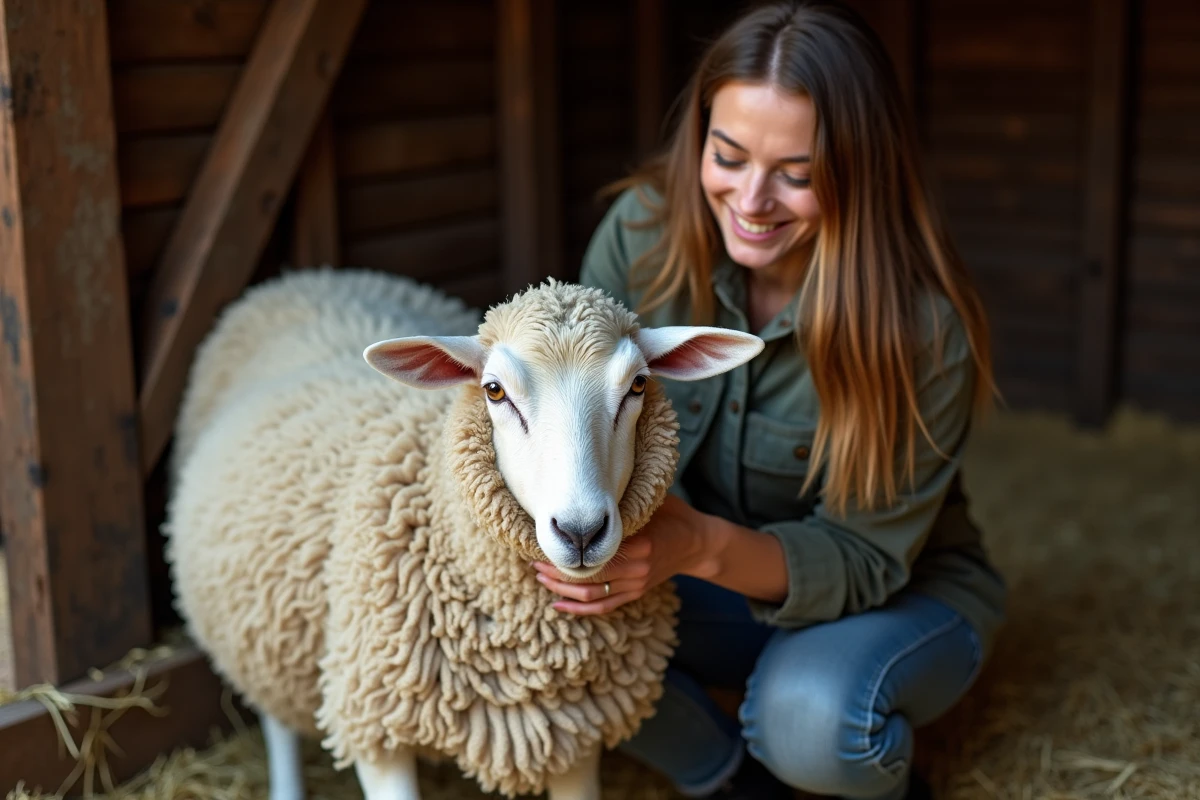
Exlana and sustainable farming: an asset for the environment and biodiversity
The Exlana breed fully aligns with sustainable farming initiatives, where every choice aims to preserve natural resources. Thanks to its ability to maintain green spaces without resorting to mechanical shearing or chemical products, the Exlana stands out as a credible eco-pasturing solution. This farming method limits the use of machinery, reduces the carbon footprint, and improves soil fertility.
The integration of the Exlana into French farms extends the richness of an already dense genetic heritage: France boasts nearly sixty sheep breeds, several of which benefit from conservation programs. This genetic diversity enhances biodiversity and ensures the sustainability of farming sectors. Specifically, the presence of rustic flocks encourages the return of insects, promotes the growth of native plants, and supports an entire local food network.
Committed actors, such as Laines sous les Pommiers, invest to promote these practices, advocate for local breeds, and preserve biodiversity. Through the Exlana, each breeder participates in a thoughtful approach, attentive to natural balances and concerned with giving real meaning to the word terroir. Here, biodiversity is observed on the ground: it lives in the diversity of uses, the strength of the flocks, and the sharing of know-how.
The Exlana is not just another sheep. It symbolizes an evolution in farming, where every action counts, where each animal becomes a link in a living and resilient ecosystem. It’s hard not to see it as a strong signal for the future of rural areas.