
Some cats can develop behavioral issues even in the most attentive households, while others thrive with minimal routine. The hunting instinct never disappears, even in the most peaceful felines, which explains sometimes perplexing behaviors.
The slightest change in the environment, whether it’s a new piece of furniture or a change in kibble, can be enough to upset their balance. Simple gestures, often overlooked, directly influence their health and well-being on a daily basis.
Understanding your cat’s essential needs for better cohabitation
Coexisting with a cat means accepting a golden rule: the animal’s needs far exceed just a food bowl or a litter box. Whether living in an apartment or a house, your companion requires reassuring stability and a stimulating environment. Heights, hiding spots, resting areas, observation posts: every space matters in structuring the territory of this both discreet and demanding roommate. Access to different levels, the ability to climb, hide, or observe their domain, is what provides the sense of security that our felines cherish.
Adapting the home to their natural behavior often proves crucial. Separating food and water, placing the litter box away from high-traffic areas, regularly renewing toys: these seemingly trivial details nourish their mental balance and instinct. The presence of another animal, whether a dog or a fellow cat, requires careful management of resources and interactions, which can sometimes lead to tensions.
The age of the cat changes the situation. A kitten craves new experiences and stimulation, while an adult primarily seeks stability. Older cats, on the other hand, expect more comfort and increased vigilance to detect any potential declines in health or the onset of pain. To go further and adapt your daily life to each situation, explore cats on Attitude Canine, a wealth of information to enrich your companion’s life and maintain their balance.
What daily actions ensure your feline’s health and well-being?
Caring for your cat’s health doesn’t require complex rituals, but rather constant attention. The coat, a true barometer of their condition, requires frequent grooming, suited to the length of the fur. This action limits the formation of hairballs while allowing for quick detection of parasites or irritations.
Hygiene doesn’t stop there. The claws, especially in indoor cats, need to be monitored: their natural wear is sometimes insufficient, and careful trimming can prevent many inconveniences. For the ears, a simple glance is enough to spot any anomalies. As for the eyes, they should remain clear, without any abnormal discharge.
Being attentive to changes in behavior, appetite, or weight remains the best defense against health issues. If your feline seems less active, loses its voice, or has a dull coat, don’t wait to consult the veterinarian. Vaccinations, parasite treatments, spaying/neutering: these regular appointments contribute to your cat’s well-being, year after year.
Some simple reflexes to incorporate into your routine will make all the difference:
- Clean the litter box daily to avoid any discomfort or unnecessary stress.
- Ensure fresh water is available, and adjust their diet according to their age and lifestyle.
- Provide varied playtime to stimulate their intelligence and satisfy their need for movement.
A cat’s quality of life is built on the repetition of these attentions, in a daily routine shaped to their measure and temperament.
Easy tips to strengthen your bond with your cat
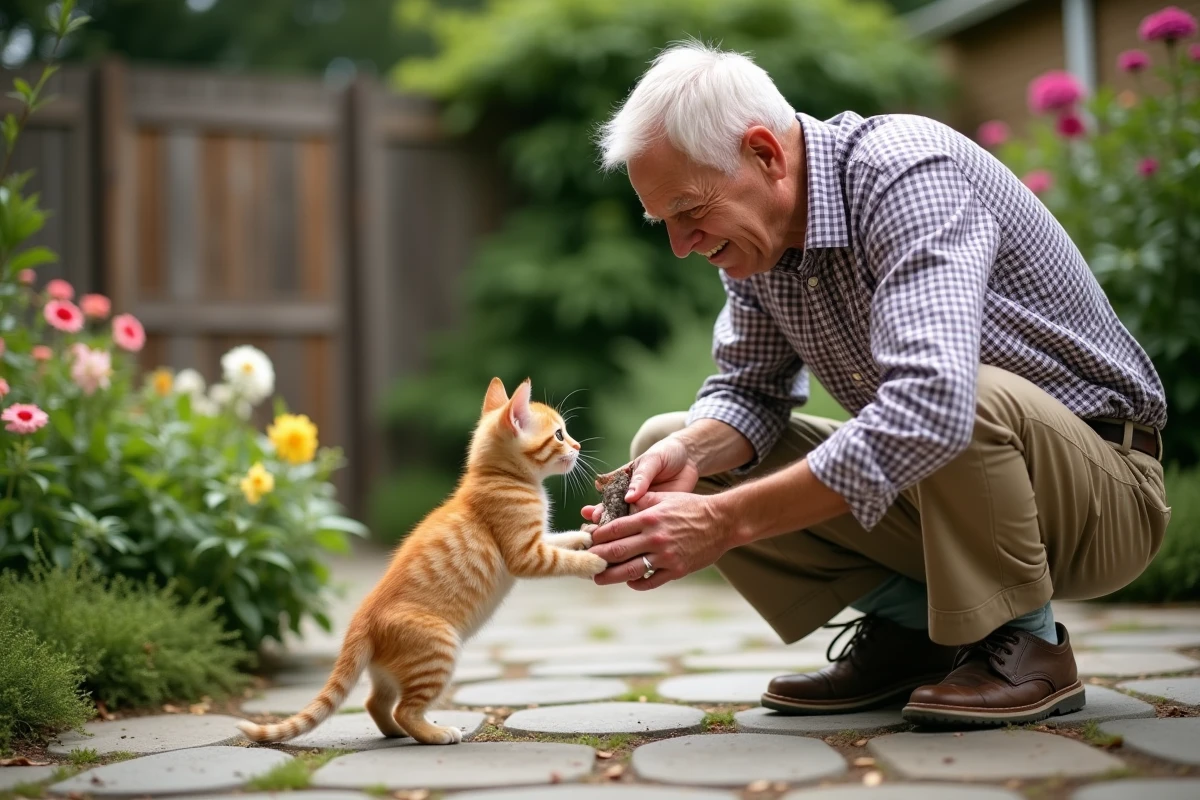
Play holds a special place in a cat’s life. There’s no need to invest in sophisticated items: a cardboard box, a lightweight ball, or a ribbon often suffice to trigger their hunting instinct. Refresh the toys to prevent boredom and stimulate their curiosity. A cat tree, placed near a window, becomes both an exploration ground, an observation post, and a scratching space.
The bond is also woven in quieter moments. Allow your cat to choose the time and pace of the petting: some will come to settle on your lap, while others will prefer a simple presence from a distance. Learn to recognize signs of acceptance or annoyance, adjust your gestures, and respect their wishes.
Be cautious of toxic plants like lilies, ficus, or philodendrons, which are often responsible for poisoning. Prefer potted cat grass, beneficial for digestion and much less risky for your pet.
To vary daily life and multiply sources of well-being, several simple ideas are available to you:
- Offer appropriate treats to encourage learning or reinforce sociability.
- Set up various high points: shelves, cat trees, secure ledges, to satisfy their need for observation.
- Create accessible hiding spots, with a simple box or blanket, where they can retreat in peace.
Your relationship with your cat is built on the consistency of these gestures, in the attention given to their freedom, activity, and unique temperament. Giving your pet the opportunity to be fully themselves is already offering them the best of domestic life. And when night falls, there’s always that gaze, half-wild, half-trusting, reminding us that a cat’s happiness lies in the details and in fidelity to their true nature.