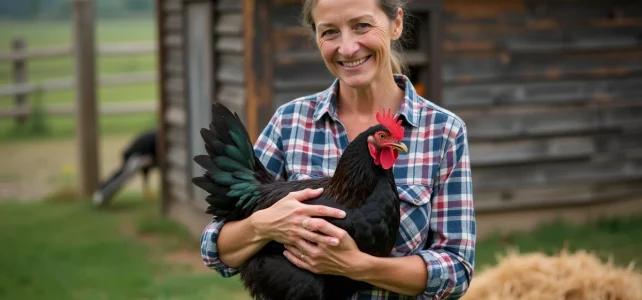
The annual laying rate of a blue hen from Aquitaine can drop by 30% in case of inadequate feeding, even in the presence of a healthy environment. Temperature variations exceeding 5°C from one week to another alter resistance to respiratory diseases, which are rarely mentioned in general guides. European regulations prohibit the use of certain chemical dewormers but still tolerate natural treatments whose effectiveness varies greatly depending on the method of administration. The longevity of this breed also depends on adhering to strict time slots for outdoor access, a parameter often overlooked in daily management.
The blue hen from Aquitaine: origins, characteristics, and temperament
Originating from the South-West, the blue hen from Aquitaine quickly stands out in a backyard. Its plumage, leaning towards steel blue, does not go unnoticed, the result of careful selection and an unwavering desire to preserve the regional poultry heritage. It occupies a special place in French farming and embodies the living peasant tradition that enthusiasts pass down from generation to generation.
Physically robust, it demonstrates perfect adaptation to the Atlantic climate: solid build, firm appearance, upright crest in all sobriety, reminiscent of the old lines of rooster hens from the South-West. In terms of production, it shows good laying regularity and ivory eggs highly valued for their fineness. Its behavior reflects its reputation: calm, sociable, and perfectly integrated into groups of local breeds like silkies or Gascon hens.
Its docility appeals to families and small farms without making it vulnerable. When danger approaches, it remains vigilant. However, to truly thrive, it needs a lively environment, space, always dry shelter, regular contact with its peers, and the watchful eye of the breeder. The difference lies here: if one wants to preserve its “hardiness,” the details matter daily. The organization of outdoor space, group life, and health monitoring are at the heart of care for the blue hen from Aquitaine, an attention that shapes the vitality and longevity of this heritage breed.
What are the essential needs for a healthy blue hen from Aquitaine?
Ensuring the vitality of a blue hen from Aquitaine is primarily about considering its living conditions. An appropriate, clean, and ventilated henhouse remains the foundation of successful farming. No drafts, no stagnant humidity: here, balance is a matter of constant adjustments. The bedding must be renewed frequently to prevent the establishment of parasites and preserve the health of the group.
The feeding deserves close attention. Favor a varied mix of grains, supplemented by a protein source adjusted according to the season or the breeding period. Providing fresh greens encourages natural foraging behavior while enhancing the hen’s vitality. Regularly adding gravel or finely crushed shells supports its digestion and the quality of the produced eggs.
To ensure their well-being sustainably, here are the essentials to monitor every day:
- Provide fresh water that is renewed daily;
- Arrange a rich and enclosed outdoor space to guarantee freedom of movement while avoiding predators;
- Diversify shaded areas and offer several perches, as the blue hen from Aquitaine enjoys both exploring and perching high.
Observation remains the best tool to prevent issues and diseases: keep a close eye on vaccination, deworming, plumage condition, and behavioral changes. Being present daily is not a detail; it is the balance of the backyard that depends on it, along with laying, cohesion, and long-term health.
Practical tips for a serene daily farming experience
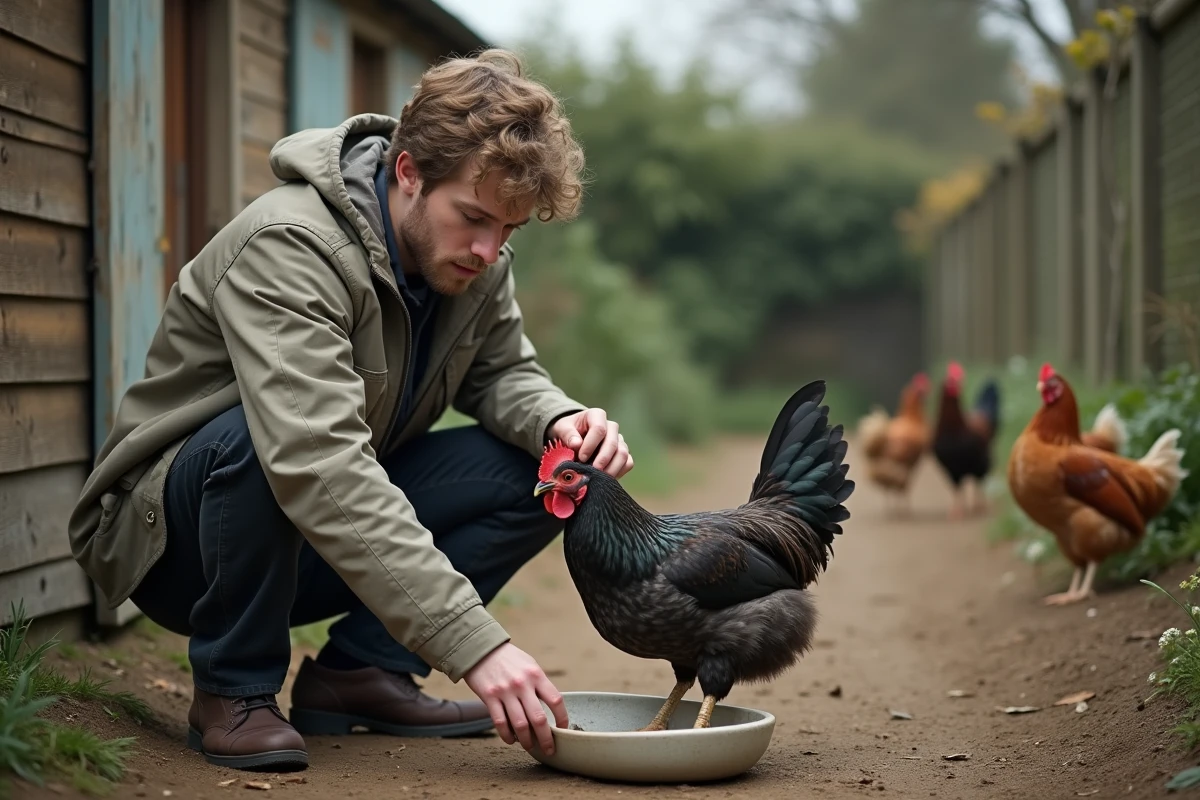
Creating a stable backyard is nothing improvised. Focusing on a few key actions helps maintain a healthy and peaceful atmosphere, true to the recommendations of a comprehensive care guide for the blue hen from Aquitaine. The life of these breeds of hens, rustic yet sensitive to any upheaval, depends on the regularity of the imposed rhythm.
Taking a short, targeted inspection of each hen and rooster every morning allows for early detection of signs to watch for: a ruffled appearance, an inert attitude, and immediate adaptation is necessary. This attention limits many complications that could quickly arise without a response.
Cleaning the henhouse cannot wait: it is a weekly task that targets both the coop and the surrounding areas. Humidity must be kept under control here, as it encourages all sorts of pests. The simplest tool, dry and clean bedding, often proves to be the most effective.
To help you maintain the right routine, keep these organizational points in mind:
- Install stable perches and ensure that water remains easily accessible;
- Adjust the feeding by prioritizing proteins during breeding cycles and a lighter diet as summer arrives;
- Maintain a connection with a breeding club or draw from specialized literature to improve your methods.
Isolation and stress never benefit the blue hen from Aquitaine: it thrives in a group, provided that the space and food are also suitable for chicks and coexistence with other breeds. The Ardennaise or the Frisée hen, each temperament must be considered to preserve good harmony, which can sometimes be fragile.
Let’s not forget: entrusted to attentive hands, the blue hen from Aquitaine offers its regular eggs, its calm presence in the landscape, and that unique silhouette that leaves a lasting impression wherever it goes. Its discreet plumage signifies the renewal of backyards that truly appreciate it.