
In France, investments in animal health monitoring technologies have increased by 35% over three years. However, the majority of farms continue to use traditional methods to monitor the health of their herds. Digital platforms and connected objects, although growing rapidly, remain underutilized in daily management.
The Ministry of Agriculture recently published a list of approved digital solutions capable of early detection of stress or animal diseases. These scientifically validated tools are beginning to transform practices and change the approach to prevention.
Animal welfare in the digital age: what challenges for modern farming?
Animal health now goes beyond just the realm of disease. It encompasses comfort, behavior, and quality of life, both for farm animals and those that share our daily lives. In France, the question arises: how to reconcile production pressure, increasing societal expectations, and respect for animal welfare? The rapid expansion of innovative solutions is changing the game. Today, digital platforms allow for the capture of subtle signals related to stress, nutrition, and health, long before issues become visible.
With tailored animal nutrition, real-time monitoring of physiological indicators, and automated behavior analysis, digital technology is integrated into every stage of animal life. Farmers have access to detailed dashboards tailored to their context, allowing them to adjust rations or identify discomfort even before symptoms appear. Syntonie Animale’s services illustrate this holistic approach, focused on respecting natural needs and personalized monitoring, all backed by scientific validation.
Here are some concrete impacts of this evolution:
- Enhancing the quality of life of animals also ensures the sustainability of sectors and public trust.
- Expectations for continuous improvement in animal care are increasing, pushing each stakeholder to reassess their practices.
- The shift to digital in animal health monitoring encourages transparency, traceability, and limits human error.
This digital shift is not just a passing trend. It is part of a fundamental transformation, supported by research, citizen mobilization, and the desire to ensure animals have a longer, more peaceful, and better-supported existence.
What innovations are concretely transforming the health and quality of life of farm animals?
The transformation of farms is accelerating thanks to cutting-edge technologies designed to improve animal health and their daily well-being. Smart sensors are gradually being installed in agricultural buildings. They continuously record temperature, humidity, noise, movements, and feed artificial intelligence algorithms capable of detecting subtle signals that may be impossible to see with the naked eye. The farmer receives early alerts, allowing them to adjust nutrition, ambiance, or respond quickly for care.
Innovative solutions arising from research and digital technology support the agroecological transition. Through data analysis, it becomes possible to tailor rations to each animal, anticipate disease, or detect a source of stress within the herd. This personalized monitoring transforms the relationship between the farmer and their animals, enhancing their well-being while strengthening the performance of animal sectors.
Some significant advancements:
- Automated behavior monitoring to detect decreased activity or changes in appetite.
- Use of products and services that limit antibiotic use through targeted prevention.
- Connected systems to reduce stress during delicate phases (calving, weaning, transport).
The alliance of innovation, daily observation, and veterinary expertise is redefining animal care standards. Those who engage in this dynamic are building an agriculture where the quality of life of farm animals aligns with the demand for sustainability and consumer trust.
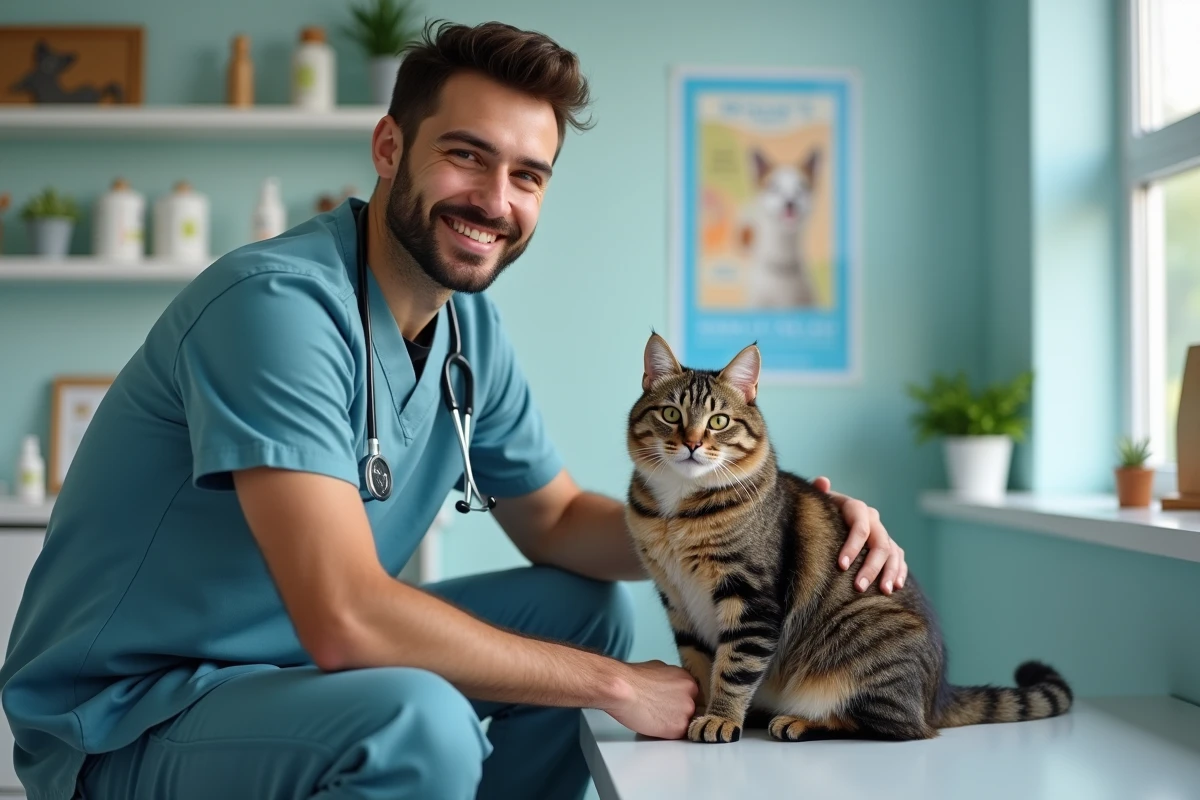
From connected tools to monitoring applications: how farmers can act today
The digitalization of animal care is indeed a reality on the ground. Now, sensors monitor in real-time the temperature, activity, or rumination of animals. These connected objects transmit their data to monitoring applications accessible on smartphones or tablets. The farmer thus accesses the health status of each animal, identifies any anomalies, adjusts animal nutrition, or anticipates a veterinary intervention.
Some devices also monitor air quality, light intensity, or noise levels in buildings. When a critical threshold is crossed, an alert signals potential thermal stress or unfavorable conditions. Analyzing this data allows for quick adjustments to the living environment, with a direct impact on animal welfare and the performance of sectors.
The most popular features among farmers include:
- Instant visualization of behavior and health through clear dashboards;
- Event history to better understand the evolution of each individual;
- Targeted notifications for quick decision-making based on objective data.
The interconnection between monitoring applications and products or services dedicated to animal care allows for a sustainable increase in herd health. The farmer relies on concrete tools, remotely adjusts feeding or comfort, and can devote more time to direct observation and daily support of their animals. Digital technology does not replace the farmer’s eye: it sharpens it, extends it, and is already shaping the face of a farming system where every animal truly counts.