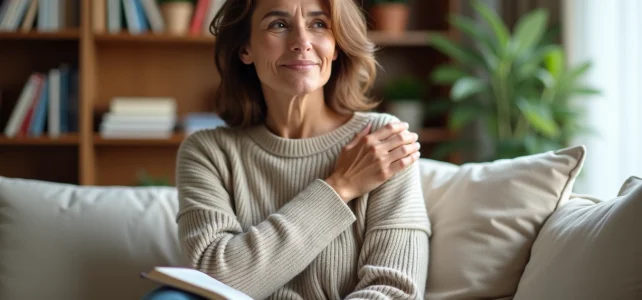
An effective medical treatment does not always guarantee relief from pain. Some patients continue to suffer despite a clear diagnosis and appropriate management. The mechanisms of chronic pain still challenge medical knowledge, leaving room for multidisciplinary approaches.
Complementary strategies are emerging, combining traditional treatments and validated alternatives. Support from various specialists becomes essential to tailor solutions to each individual situation.
Why chronic pain disrupts daily life: understanding its mechanisms and psychological impact
Chronic pain disrupts everything. It is not limited to physical discomfort; it seeps into every facet of quality of life. In France, millions of people face persistent pain daily: neuropathic, inflammatory, or combined pain. Doctors strive to distinguish the causes, but for the affected person, the nuance fades. Suffering imposes itself, settles in.
Grasping the reality of chronic pain takes time and method. Unlike acute pain, which signals a temporary danger, chronic pain takes root, alters nerve pathways, and eventually emancipates itself from the original problem. Psychologically, the burden is heavy. Exhaustion accumulates, the fear of worsening looms, and depression is never far away. Professional life falters, relationships stretch thin, and intimacy retracts. Gradually, pain redefines daily life, sometimes leading to isolation.
For those living with chronic pain, access to information becomes a valuable resource. Spotting the signs of a transition to chronicity, consulting a professional, considering a pain management treatment: each step is a battle. Platforms like https://moncoachdouleur.fr/ Mon Coach Douleur – Our advice for your health bring together practical tools: tracking symptom progression, preparing for appointments, tips for daily management. Patients and loved ones find ways to confront illness, maintain motivation, and break the solitude.
What solutions exist today to better manage pain? Overview of medical and alternative approaches
To manage pain in France, treatments are numerous and adapt to the diversity of situations. Healthcare professionals would modulate care: analgesic medications, rehabilitation programs, supportive care. When chronic pain sets in, the journey becomes more complex, and coordination among practitioners makes sense. Medical consultation, especially in the face of persistent pain resistant to usual treatments, remains the first reflex to adopt.
Overview of solutions
Here are the main avenues explored today:
- Chronic pain treatment: use of standard analgesics, but also broader protocols that can combine medications, physiotherapy sessions, and psychological support.
- Adapted physical activity: the gradual resumption of movements, even light ones, promotes flexibility and limits pain. Supervised, physical activity stands as a reference in the therapeutic arsenal.
- Breathing exercises, relaxation, meditation: techniques validated by scientific research that help reduce the perception of pain. These tools, easy to integrate into daily life, also improve overall balance.
Care networks, linked to specialized centers in Paris and elsewhere, pave the way for a second medical opinion and care where multiple disciplines work hand in hand. The path is built over time, mobilizing the patient’s energy, the support of those around them, and all the resources of the healthcare system. Each pain management treatment is shaped according to each person’s history, and that is where the strength of a tailored approach lies.

Simple gestures to expert advice: adopting new reflexes to relieve pain day by day
Living with chronic pain means coping with this presence every day. Many describe a daily life marked by precautions and adjustments. Yet, simple reflexes recommended by professionals can help better relieve pain and improve quality of life.
Adapted physical activity, even moderate, remains the cornerstone. A bit of walking, some stretching, gentle exercises; the key is regularity. It’s better to walk for thirty minutes, even if broken up, than to undertake too intense an effort. The support of a physiotherapist helps in choosing the right movements and avoiding those that could worsen the situation.
Incorporating breathing exercises and relaxation into one’s routine also makes a difference. Breathing slowly through the nose, exhaling long, repeating: this simple ritual reduces tension and affects the perception of pain. Some combine these practices with meditation or visualization to create a more serene atmosphere.
On the dietary side, peppermint sometimes reappears in expert advice for its effects on certain pains, always in conjunction with medical follow-up. Everyone adapts these suggestions to their own history, the duration, and intensity of their symptoms.
Therapeutic education is also progressing. Specialized podcasts, workshops, exchanges between patients: all resources that help better understand pain and break isolation. Embracing these new reflexes is to gain ground against pain and gradually regain the thread of one’s social life.
Moving forward despite the pain means accepting that nothing will ever be fixed. But each adjustment, each resource mobilized, gives everyone the power to act on their daily life.